
Too often we see people abandon their gardens and outdoor spaces as soon as the autumn chill hits the air, and then forget about them for months. But having a beautiful, low-maintenance garden that’s ready for the Scottish summer comes from preparing it in the winter beforehand.
We’d recommend spending a bit of time outdoors in autumn and winter to make your summer more enjoyable – just get wrapped up in a good coat and gloves!
Here are 7 easy tasks to do now to keep your garden in tip-top shape for summer…
1. Do the final cuts of the year
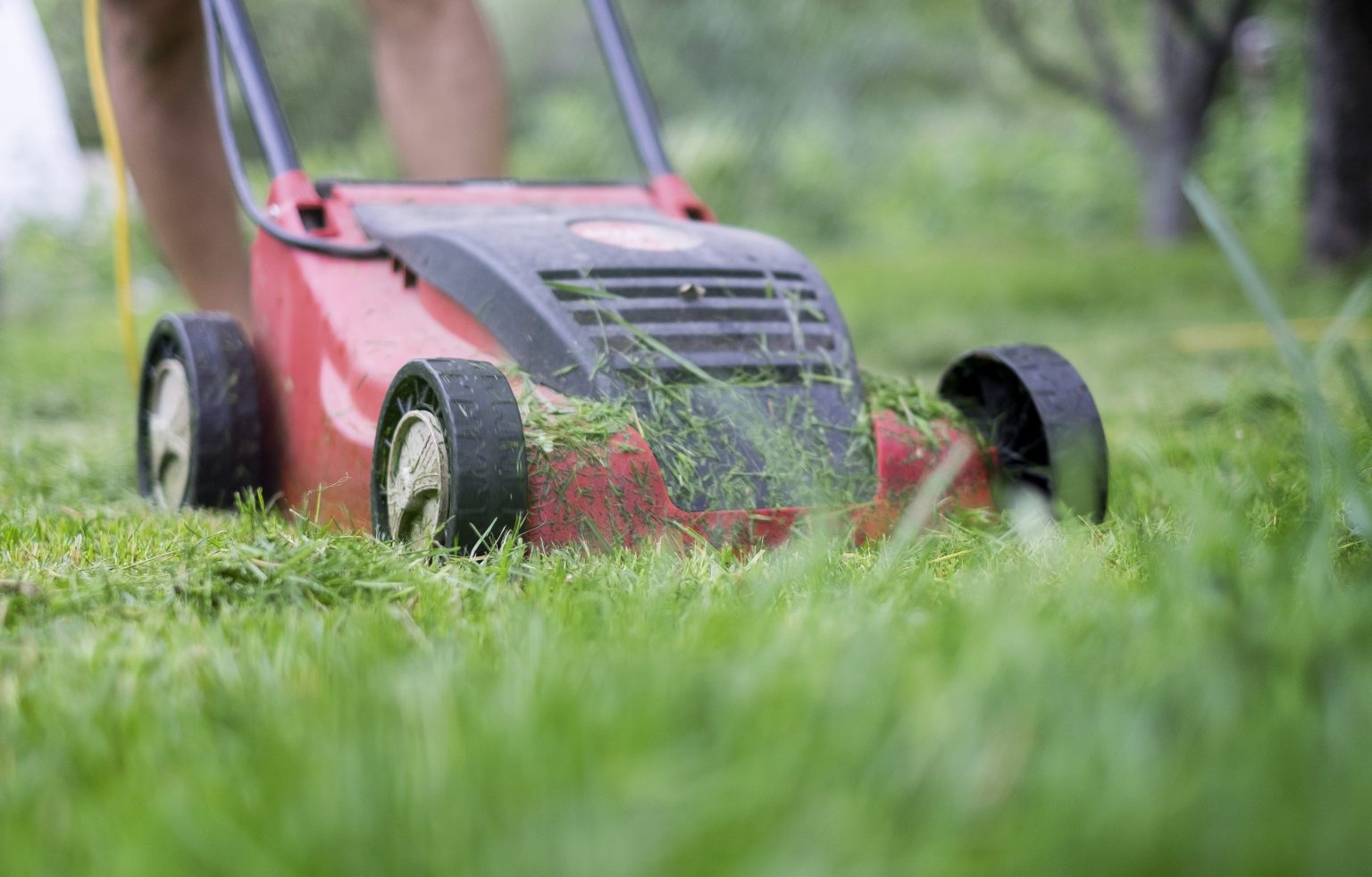
Your lawn will likely not need to be cut again until spring, so give it a good mow now. Having it shorter over winter will help to avoid boggy grass and muddy patches.
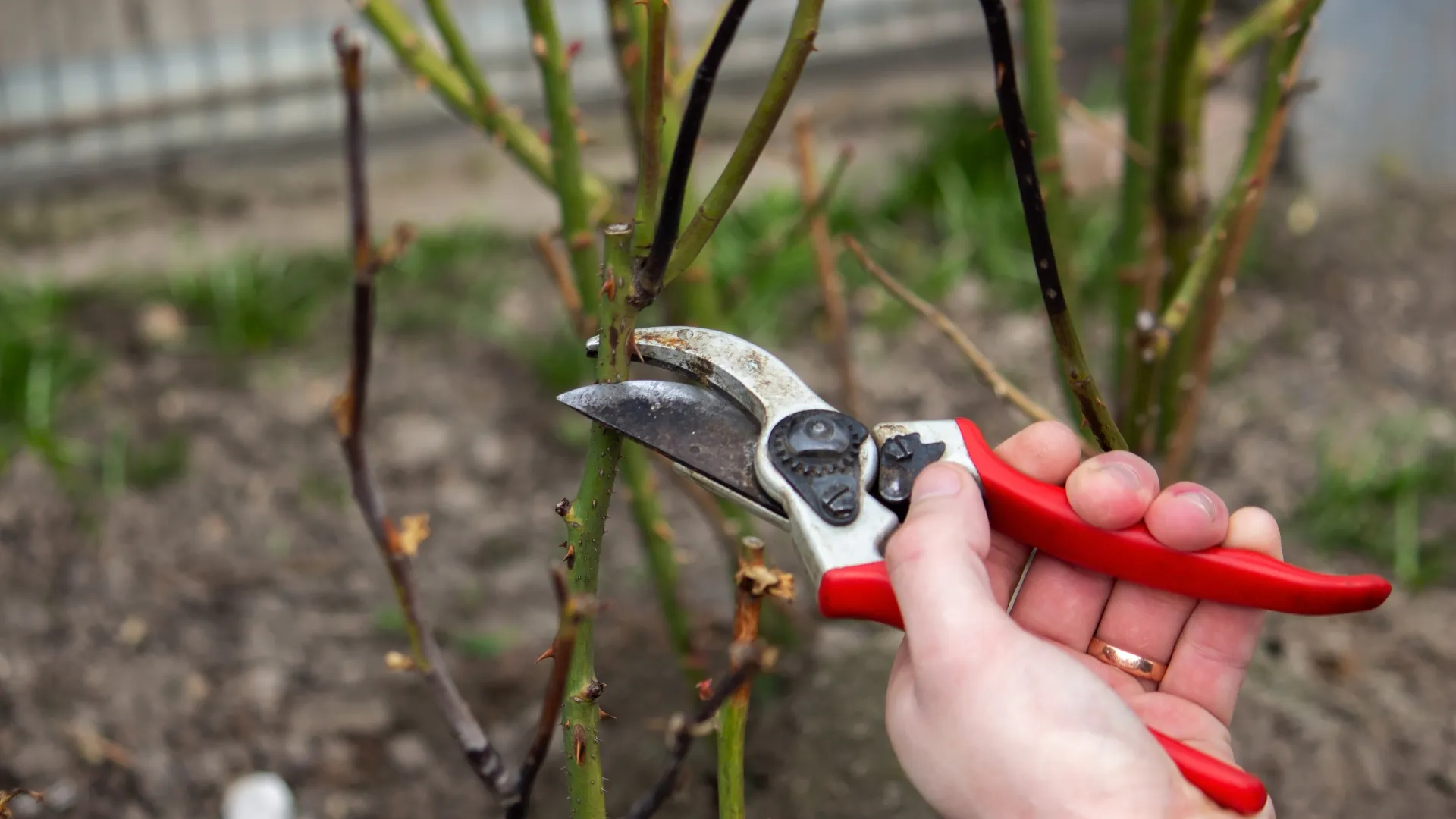
Give hedges a tidy cut before winter sets in to keep their shape and encourage healthy growth in spring. For trees, remove any dead or damaged branches that could become a hazard in strong winds. If you have larger trees that need significant pruning, it's worth getting a specialist in rather than tackling it yourself.
As with the lawn, be mindful of what you're cutting and when. Some plants respond well to a hard autumn cut, while others are better left alone until spring (such as hydrangeas). If we've put together a planting guide for your garden, we'll have advised on what works best for your specific plants.
Do a final weed of your flower beds and paved areas to keep things looking neat and tidy over winter, and remove any roots that will come straight back up again when the warm weather returns.
2. Store or cover garden furniture
If you leave your furniture exposed to the harsh winter weather, it could rust and be unfit for use in a couple of years. But if you protect it properly, there’s no reason why good quality garden furniture can’t last for a long time (and we all know it’s not a cheap investment!).
The ideal situation is putting your garden furniture away fully in a shed or garage and covering it to avoid any damp. But if you don’t have the space for this, invest in a good waterproof furniture cover and wrap it well enough to withstand strong gusts of wind.
3. Inspect and protect garden structures
Before the worst of the winter weather arrives, take a walk around your garden and check any structures for damage. A loose fence panel, a wobbly pergola post, or a cracked garden building roof is a much easier fix in autumn than it will be in the middle of January.
Things to look out for include:
Fence panels and posts – check for any movement, rot, or damage at ground level where fence posts meet the soil, as this is where deterioration tends to start
Pergolas and garden structures – check fixings, joints, and any roof panels or louvres for damage or debris that could cause problems in high winds
Garden buildings such as sheds or summerhouses – check the roof, doors, and any seals around windows to make sure they'll keep the worst of the weather out over winter
Retaining walls and raised planters – look for any movement, cracks, or areas in your landscaping where water might be getting in and freezing, which can cause real damage over time
Once you've done your checks, treat any wooden surfaces before you put the garden to bed for winter. This includes decking, fencing, and any wooden garden buildings or structures.
Most people wait until nicer weather to treat wood, but treating it at the end of autumn means you're protecting it through the harshest months rather than after the damage is already done. A good quality wood treatment applied now will make a real difference to how your decking and fencing hold up come spring.
4. Check decorative fixtures and fittings
Decorative elements – such as fairy lights, mirrors, chimes, lanterns, or ornaments – can get damaged during the winter months. They can get tangled in trees with the wind, or rust from exposure to rain. If they’re delicate and you want to keep them in good condition, cover or remove them, then reinstall them come springtime.
5. Outdoor kitchen maintenance
If you have an outdoor cooking area you want to clean it thoroughly after its last use of the year and drain water lines to prevent pipes from freezing and bursting.
Cover the space to prevent moisture damage, keep any insects or creepy crawlies out, and avoid rust on metal components like grill plates or side burners.
6. Plant your spring bulbs
Autumn and early winter are the ideal times to plant spring bulbs, and it's one of the most rewarding things you can do for your summer garden with very little effort. Bulbs planted now will sit dormant over the colder months and push through in spring, giving you colour exactly when you want it.
Good options for Scottish gardens include tulips, daffodils, alliums, and crocuses. Alliums in particular work beautifully in a well-designed garden as they add height and structure, and their purple globe flowers are a favourite with pollinators too.
If you're planning a full garden redesign for next summer, it's worth holding off on planting in areas that are going to be landscaped. Get in touch, and we can advise on where it makes sense to plant now versus what's better left until the work is done.
7. Set a reminder for a spring clean
Alongside doing some essential maintenance now, it’s a good time to pencil in a spring maintenance session to make your summer easier and more enjoyable. Give your outdoor spaces a good power wash in spring to refresh your surfaces after winter. Remove any moss or mud from patio slabs and pathways, and give your driveway a good clean.
Do a proper check of your planting once things start to come back to life. Cut back any dead growth that you've left over winter for frost protection, divide any overcrowded perennials, and give your beds a top dressing of compost to set them up for the growing season. Spring is also a good time to fill any gaps in your planting with new additions before the garden gets into full swing.
Finally, check your lawn once the ground firms up. If it's taken a battering over winter with heavy foot traffic or waterlogging, it may need scarifying or overseeding before it recovers properly for summer.
Plan your summer outdoor transformation now
If you’re reading this and would like to change your garden design next summer, now’s the time to get in touch. We usually book projects a few months in advance, so take advantage of our free garden design consultation during winter to get booked in for spring.
Ready to plan a new outdoor space next year? Get in touch to book your free consultation.